
How Can I Improve My Credit Score?

Am I stuck with my bad credit forever? How to improve your sagging credit score.
Sometimes things happen, and we wonder how we got there. If your credit score is less than stellar and you’re not sure what happened, there are a few common causes that usually result in bad credit.
Common Causes of Bad Credit
Here’s what’s likely to hurt your credit score the most:
1. Late payments
A single late payment might not seem like such a big deal, but a history of missed financial deadlines can have a mighty big impact on your credit score. Since payment history accounts for a whopping 35% of your credit score, if you’re asking, how can I improve my credit score?, start by being mindful of payment due dates.
2. Stepping over your credit line
If you’ve borrowed against just about all the credit your card (or cards) offer, you’ll not only see your interest rates rise, you’ll probably see your credit score drop. Credit utilization accounts for another 30% of your score. If you’ve done both 1 and 2, your damage points are already around 65%.
3. Bankruptcy
Often, declaring bankruptcy is the only way to get out of extreme debt, but it’s also a massive albatross to your credit score that you’ll be carrying around for seven years. Your score can be rebuilt, but it’s going to take some serious work. If you’ve declared bankruptcy, don’t job-hop afterwards. While this won’t affect your credit, it may be a red flag to potential lenders.
When trying to recover, and you’re wondering, “How can I improve my credit score to regain my credit footing?” The first thing to do is to ensure that you’re gainfully employed and have a steady source of income so that you can qualify for new credit.
New debt can help you out of bankruptcy

With a secured credit card, for instance, you put a certain amount of cash into the account, say $1000, and your credit limit is $1000. If you make timely repayments, your creditor may increase your credit limit or even offer you an unsecured card. As you pay down your credit balance and portray improved reliability with managing debt, you’ll have positive reports on your credit history that’ll boost your credit.
Credit-building credit cards are a great place to start. Gas and retail cards are usually easier to qualify for. But, only make small purchases and be sure you pay them off in full when the bill comes due.
4. Failing to keep up with your credit card payments
While still on the question, “How can I improve my credit score?”, avoid anything that would sabotage your current credit standing. Defaults and charge-offs, where the credit card issuer decides you won’t repay your debt and ceases trying to collect, or a creditor having to get a judgment against you to have the court system force you to repay your debt, are other blows that can help sink your score.
And sometimes, in fact, very often, things beyond our control happen. A lost job, a divorce, or unexpected medical bills can all result in late or missed payments, and even bankruptcy. Still, irresponsibility and a run of bad luck can also translate to the same low score.
Can I Improve My Credit Score?
Yes, but it’s going to take some serious work on your part, and it won’t happen all at once. There will be times you’ll barely see the needle move, and you’ll feel like giving up and accepting the score you’ve been given, but don’t, because there’s so much at stake.
A bad credit score will affect more than your ability to ever get another credit card at all. It’ll also influence your future borrowing terms, like the loan amount you qualify for and the interest rates you get. Borrowers who are seemingly unstable and pose the highest risk to lenders get handed the highest interest rates and low credit limits. A bad credit rating will also make it harder, if not impossible, to get an apartment, a car loan, or even a mortgage.
So, before that happens, let’s take a look at these five ways to improve your credit score.
Easy Steps to Improve My Credit Score
Here’s what to do to raise your credit rating:
1. Keep an Eye on Your Credit Report
The first thing you should do is get a copy of your credit report and find out just how bad it is. This is a written record of your payment history, debt, and credit management (or mismanagement, as the case may be). It may also contain information concerning debts that have gone to collections and judgments against you. (1)
You’re entitled to one free copy of your credit history from each of the three credit bureaus. You can request this through AnnualCreditReport.com.
You’ll want to go over this information very carefully and look for any discrepancies, which can stem from something as simple as data entry errors, like a wrong address, wrong birthdate, incorrect social security number, or something as big as identity theft. Report any discrepancies in writing and keep a copy for yourself.
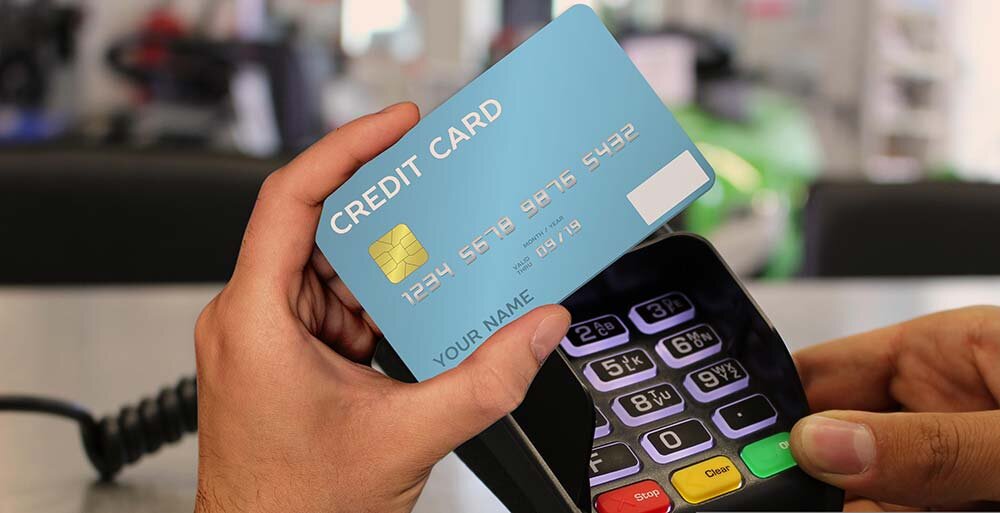
2. Minimize Your Credit Card Purchases
3. Work To Get Out of Debt
That sounds easy, and it kind of is. When working to improve your credit score, you don’t want to take on any more debt until you’ve gotten your current credit record under control. That goes back to paying for things with cash, or doing without them until you have more disposable income. (2)
4. Paying Late? Not Any More
Pay your bills on time. Late payments can count for up to 35% of your credit score and could significantly derail your “increase my credit score” undertaking. To make sure you don’t miss a payment, consider setting up auto-pay. Every month on the same date, a set amount will be taken from your account and sent to whichever creditors you’ve specified.
It would probably be a good idea to create a special bank account for only auto-payments, rather than risking not having enough money in the main account to cover the withdrawal. An NSF is not going to help repair your credit score. And at the beginning of the month, make sure you’ve put enough money into your auto-pay account to cover all the withdrawals.
If possible, try to pay a little more than the minimum each month. You’re only paying on the interest otherwise, and that’s going to take a while to bring down, unless you make larger payments. Once you get one bill paid off, use that extra cash to pay on the next largest bill.
5. You’re Pre-Approved!
Maybe so, but don’t try to open any new credit card accounts just yet. Whenever you apply for a new card, the issuer does a “hard inquiry,” or a review of your credit, which will show up on your credit report and impact your score. The more “hard inquiries” into your credit, the more hits your score takes, and you don’t want this to show up on your report, especially while you’re on your ‘improve my credit score’ endeavor.
If you do open a new account, consider a card that offers a 0% interest introductory rate, and do a balance transfer of your highest debt credit card. Pay more than the minimum each month, since all of the money goes toward paying off the balance and not the interest.
Bonus Point #1: Keep That Old Account Open
That may sound counterintuitive, since you’re trying to get out of debt and build your credit, but even if you’ve paid off a card balance, keep the account going. Buy something small with this card, then pay the whole amount off in the next month. The old payment entries still boost your credit score.
Bonus Point #2: You’re Not Going to Like This
This one may be unpleasant, but if you’re facing financial hardship, you won’t be out anything if you contact your creditors and try to work out a deal with them. Tell them of the practical steps you’re taking on your “improve my credit score” journey and see how they can support you. Some have temporary hardship programs that will lower your interest rates for a few months while you try to get back on your feet. They may even allocate additional time, especially if you know you’re going to be late with or miss a payment. It’s worth asking. (3)
Bonus Point #3: Hang in There
Remember, you didn’t dig this hole overnight, and you’re not going to get out of it right away, but you can get out of it with patience and persistence. You can sign up for alerts to notify you when your credit changes, and as you watch it improve, you’ll want to try even harder to bring those numbers up.
Apply for a Minute Loan Center
We’ve kept the best for last, which is that as you take the above steps to improve your credit score, you could use a little help to make the journey easier. After you’ve stopped boring into your hole further with more debt, you’ll want to take another loan, and we’ll tell you why.
Most credit cards and other loan types have very high interest rates, and as much as you’re putting effort into paying down your debt, the high interest rate will keep piling more debt on you. Your best and final strategy on your “improve my credit score” campaign is to take on a lower-interest loan from Minute Loan Center, consolidate all existing debt, and only have a single loan and a longer term to repay it over.
So, register now to create your account and request the funds you need to restore your peace of mind. There are no credit hits for applying. The road to improving your credit score is long, and we’re honored to hold your hand and walk it with you. Apply for a loan today, and contact us if you need more information or help with your application.
This article is for informational purposes only and does not constitute financial advice. Loan products are subject to approval, state regulations and by the terms of the issuing company
Disclaimer: Loan approval and terms are subject to verification of application information, underwriting review, and compliance with applicable state law. Not all applicants will qualify for the lowest advertised rates or for same-day funding. Funding times may vary based on bank processing schedules and customer verification requirements. Fees, repayment terms, and product availability differ by state. Please review your loan agreement carefully for complete terms and conditions. Please borrow responsibly. Loans are intended for short-term financial needs and are not a long-term financial solution.

The information provided is for informational purposes only and is not a substitute for professional financial advice. You should consult a credit counseling professional concerning the information provided and what should work best in your financial situation. And any action on your part in response to the information provided is at your discretion.
- Using a Line of Credit for Emergency Expenses
- 5 Personal Loan Repayment Tips to Repay Your Installment Loan Quickly and Avoid Extra Fees
- How a Line of Credit Can Help Smooth Out Cash Flow